Travel Ideas

What to see in Florence in 1 day

Florence is the cradle of the Renaissance, a city where there is an artistic masterpiece and history at every corner. It is impossible to see everything in one day, but a properly planned itinerary will allow you to experience the spirit of the city, touch the geniuses of art and remember Florence for a long time. If you are asking yourself the question "what to see in Florence in 1 day?", this article is for you.
02 october 2025
AUTHOR: Kateryna Lindt
0
13 min

Folks, don't forget that we have an extremely comfortable iOS application in App Store

Please try it!

Kateryna Lindt
I write routes the way I would advise a friend before a trip - nothing superfluous, just proven and at a comfortable pace.

Florence itinerary for 1 day

Time

Location / transition

What to see / what's interesting

Travel time

08:30-11:30

Piazza del Duomo: Cathedral of Santa Maria del Fiore, Giotto's Campanile, Baptistery, Museum.

Symbol of Florence. Brunelleschi's dome, marble facade, ancient mosaics, view from the bell tower.

-

11:30-11:40

Transfer to Piazza della Signoria (≈10 min walk)

Walk through the center, beautiful streets, cafes, stores.

10 min.

11:40-12:20

Piazza dellaSignoria and Palazzo Vecchio.

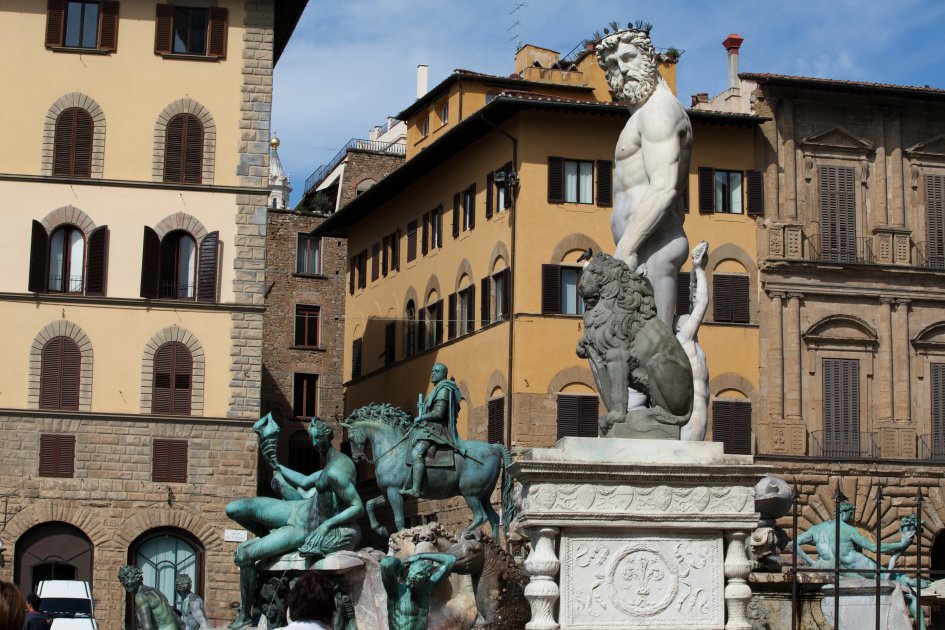
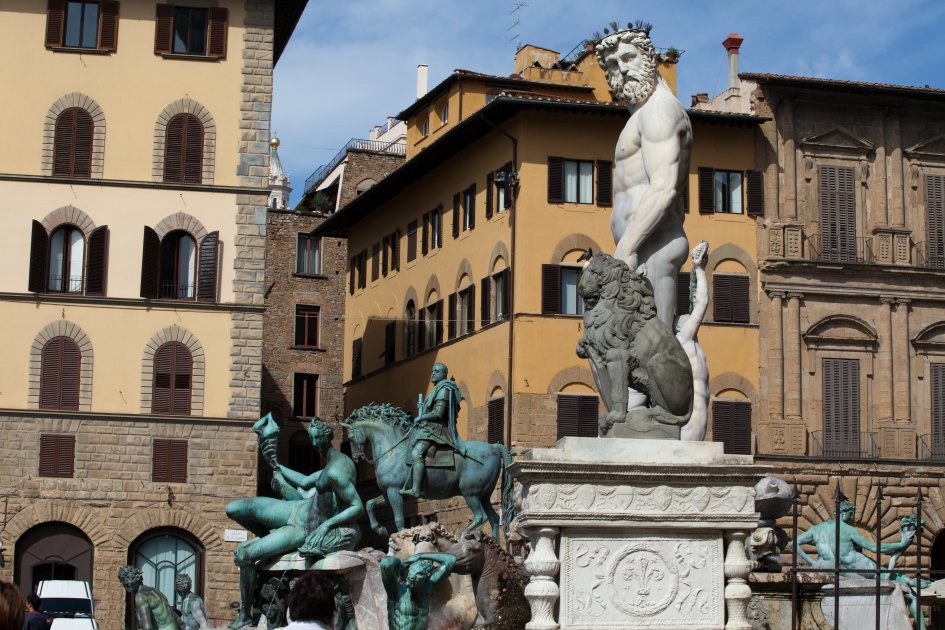
"Open Museum" - statues, replica of David, fountain of Neptune. Atmosphere of Medici power.

-

12:20-13:20

Uffizi Gallery

World art: Botticelli ("Birth of Venus"), Leonardo, Titian, Raphael.

5 min.

13:20-13:30

Go to Mercato Centrale

Via dei Calzaiuoli and the streets of the center.

10 min.

13:30-14:30

Mercato Centrale (San Lorenzo Market)

Tuscan cuisine: Florentine steak, panini, wine, gelato.

-

14:30-14:50

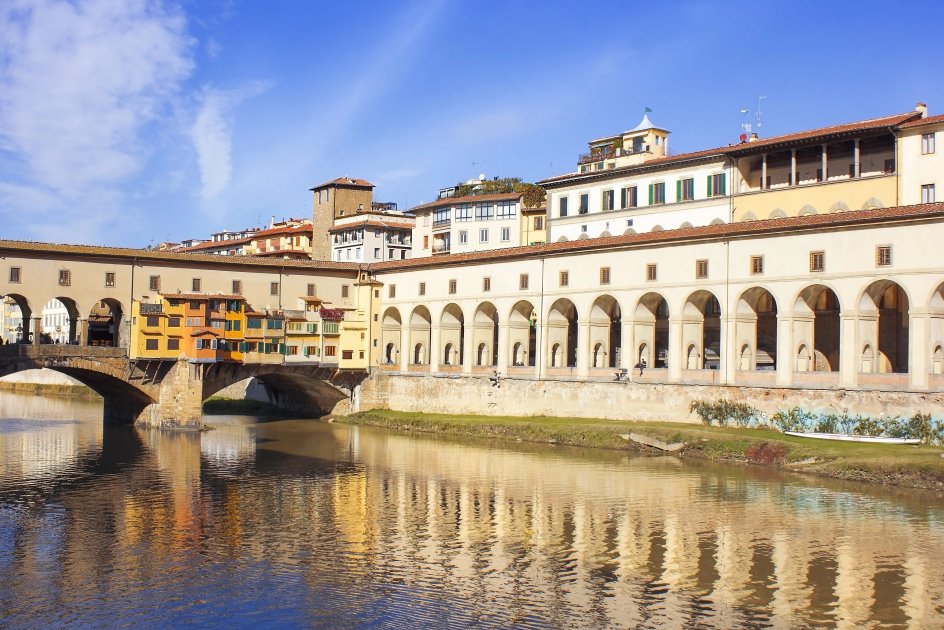
Crossing the Ponte Vecchio.

Famous bridge of jewelers, photo stop.

20 min with pause

14:50-16:30

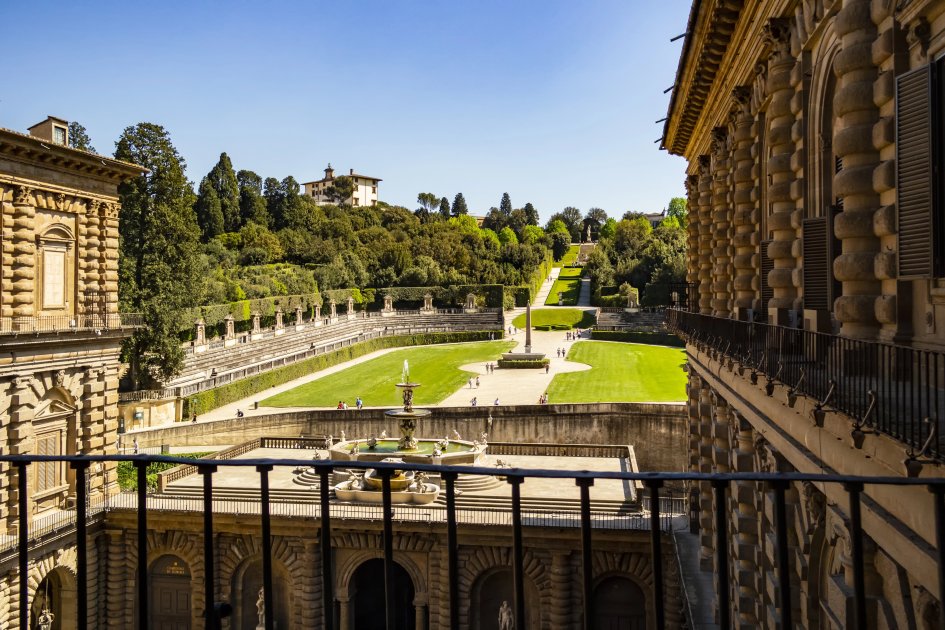
Palazzo Pitti + Boboli Gardens

Medici residence and park with panoramic views, prototype of European gardens.

-

16:30-17:00

Walk/transfer to Piazza Michelangelo

On foot (up the hill) or by bus.

20-30 min.

17:00-19:00

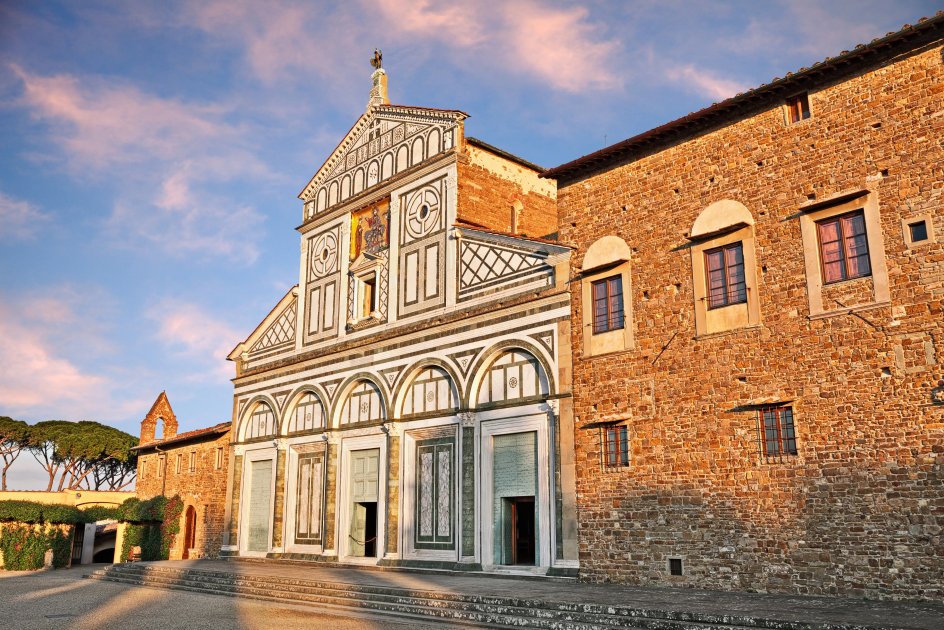
Piazza Michelangelo / San Miniato al Monte

The best sunset over Florence: the Duomo dome, the Arno, the bridges. Perfect photos.

-

The itinerary takes about 10-11 hoursin total , taking into account transitions and short breaks.

Can be adapted: replace the Uffizi with the Accademia (David), or the Pitti with a walk through the Santo Spirito neighborhood.
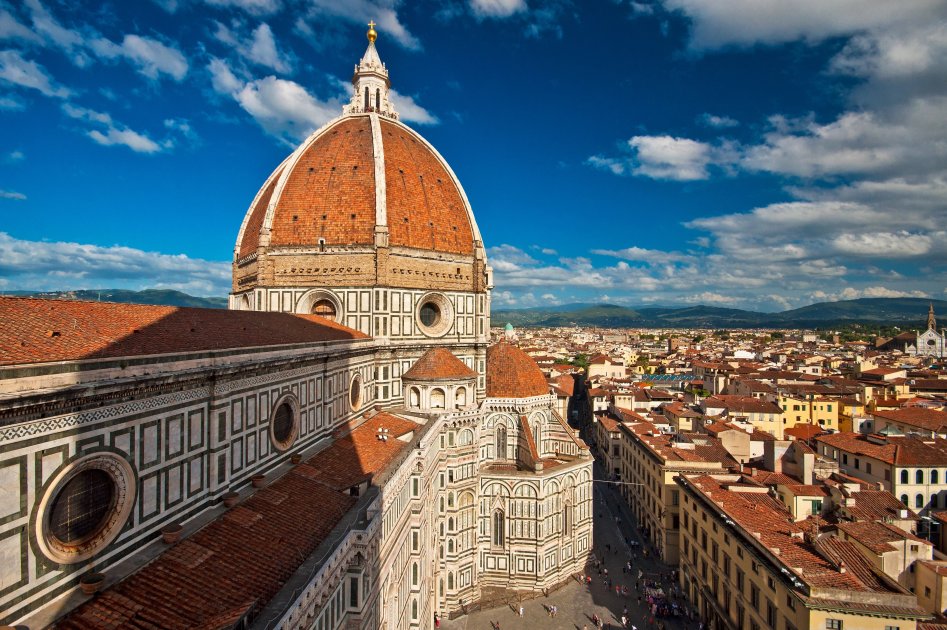
Morning (8:30-11:30) - the heart of Florence

Piazza del Duomo

Piazza del Duomo unites several outstanding monuments of art and architecture. All of them are located literally within walking distance of each other, so it is convenient to visit the whole complex in one morning.

Piazza del Duomo itself is a lively place surrounded by cafes, souvenir shops and the narrow streets of the old town.

Order

Location

Time (min)

What to see/interesting

1

Cathedral of Santa Maria del Fiore

45-60

Interior frescoes "Last Judgment", climb to Brunelleschi's dome (panorama of the city).

2

Giotto's Campanile

30-40

414 steps, view of the dome itself and city center. A great alternative to climbing the dome.

3

Baptistery of San Giovanni

20

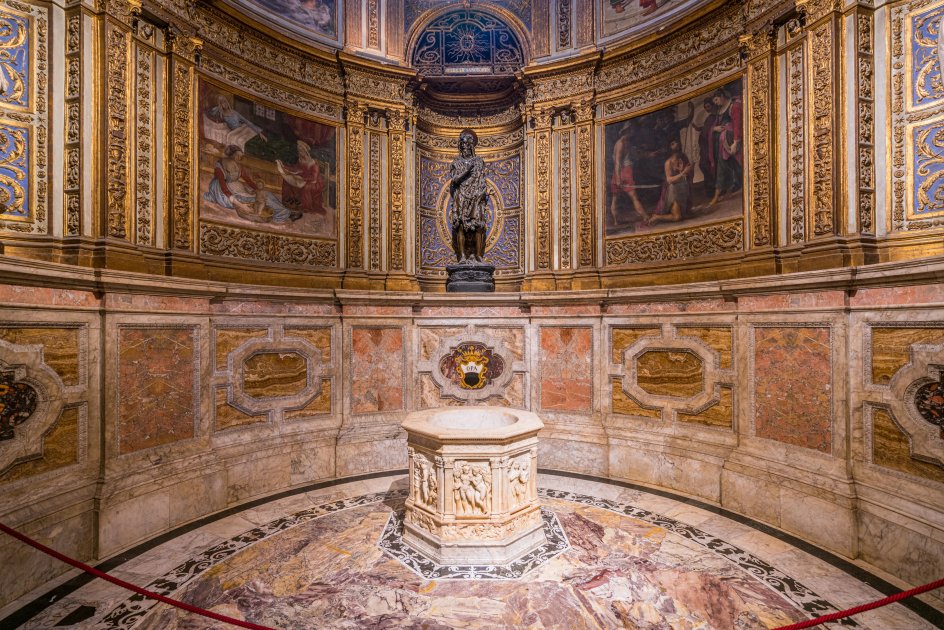
Byzantine style mosaics, Ghiberti's "Gates of Paradise".

4

Museo dell'Opera del Duomo

40-60

Sculptures by Michelangelo, Donatello, originals of the "Gates of Paradise".

5

Walk around the square

20

Photos of cathedral facade, atmosphere, coffee at sidewalk cafes.

Total: ~2.5-3 hours.
Tickets: it isbetter to take a single combo ticket Brunelleschi Pass (Il Grande Museo) for 30,00 €, it includes all objects of the square.

Cathedral of Santa Maria del Fiore (Duomo di Firenze)

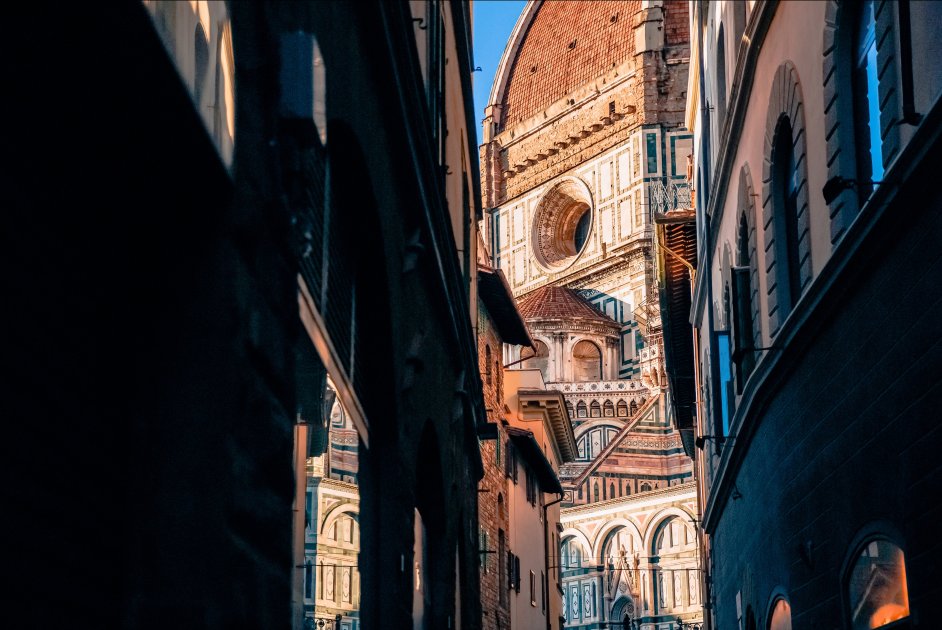
What it is: Florence's main cathedral, built between the 14th and 15th centuries, known for its grandiose dome by Filippo Brunelleschi.

Why it's important: the facade is clad in white, green and pink marble; inside, Vasari's frescoes of "The Last Judgment" under the dome.

Tip: you can climb the dome (463 steps). From there you get a panorama of the whole city. Book tickets in advance, especially in season.

Photo: the facade of the cathedral and bell tower are best shot in the morning (less people and soft light).

Campanile di Giotto (Campanile di Giotto)

What is it: 84 meters high bell tower designed by Giotto in the 14th century.

What's special: 414 steps to the top lead up to a viewing platform. The view is of Brunelleschi's dome itself and the old center.

Tip: if you choose only one point to climb (the dome or the bell tower), the campaign gives the best view of the dome and the dome gives the best view of the whole city.

Battistero di San Giovanni (Baptistery of San Giovanni)

What it is: one of the oldest buildings in Florence (11th century).

Special features: Byzantine-style mosaic ceiling, Lorenzo Ghiberti's bronze doors, dubbed the "Gates of Paradise".

Tip: take at least 15-20 minutes to quietly view the mosaics - they are as impressive as the cathedral's frescoes.

Museo dell'Opera del Duomo (Museo dell'Opera del Duomo)

What it is: a museum with original works of art from the cathedral complex.

Highlights: sculptures by Michelangelo (the unfinished "Pieta"), Donatello, and the originals of the "Gates of Paradise".

Tip: it' s worth coming here if you want to avoid the crowds and see the works up close. There are usually far fewer tourists here than in the cathedral.

Late morning (11:30-13:00) - Piazza della Signoria and Uffizi

Piazza della Signoria

Piazza della Signoria is one of the most famous and symbolic squares in Florence. It combines the history of the republic, art and the atmosphere of an open-air museum. Below is a detailed description for the article.

The square appeared in the XIII century and quickly became the political center of the city. It was the seat of the government of the Florentine Republic, the Palazzo Vecchio. Throughout the centuries it was here that key decisions were made, people's meetings, demonstrations and even executions took place (in 1498 Girolamo Savonarola was burned in the square).

The name "Signoria" refers to the highest authority in Florence - the Signoria.

The main sights in the square are

  1. Palazzo Vecchio (Palazzo Vecchio).
    A massive palace with crenellated walls and the Arnolfo Tower.
    Inside there are halls with frescoes by Vasari, collections of sculptures, the office of Cosimo I Medici.
    Nowadays, it houses the town hall and a museum.
  2. Loggia dei Lanzi.
    Open gallery of the XIV century, where outstanding sculptures are collected: "The Abduction of the Sabine Woman" by Giambologna, "Perseus with the Head of Medusa" by Cellini, Roman marbles.
    The atmosphere of the "open-air museum".
  3. A copy of "David" by Michelangelo.
    The original is kept in the Galleria dell'Accademia, but the copy in the square stands exactly where the original was in the XVI century. A symbol of the city's strength and freedom.
  4. The Fountain of Neptune (Fontana del Nettuno)
    A 16th century sculpture by Ammanati, nicknamed "Biancone" ("white giant") by the locals.
    Symbol of Florence's maritime power.
  5. Equestrian statue of Cosimo I de' Medici
    The work of Giambologna, installed in 1594. Shows the founder of the Medici dynasty as an imperious ruler.

Atmosphere and practical information

  • The square is always lively: street musicians, cafes overlooking Palazzo Vecchio, tourists and locals.
  • City festivals, cultural events and exhibitions take place here.
  • The best time to walk around is in the morning (less crowds) or in the evening, when the sculptures are beautifully illuminated.

How much time to put in

Optimally - 40-60 minutes to walk around, take photos and see the sculptures. If you plan to go inside Palazzo Vecchio, allow another 1.5-2 hours.

Uffizi Gallery

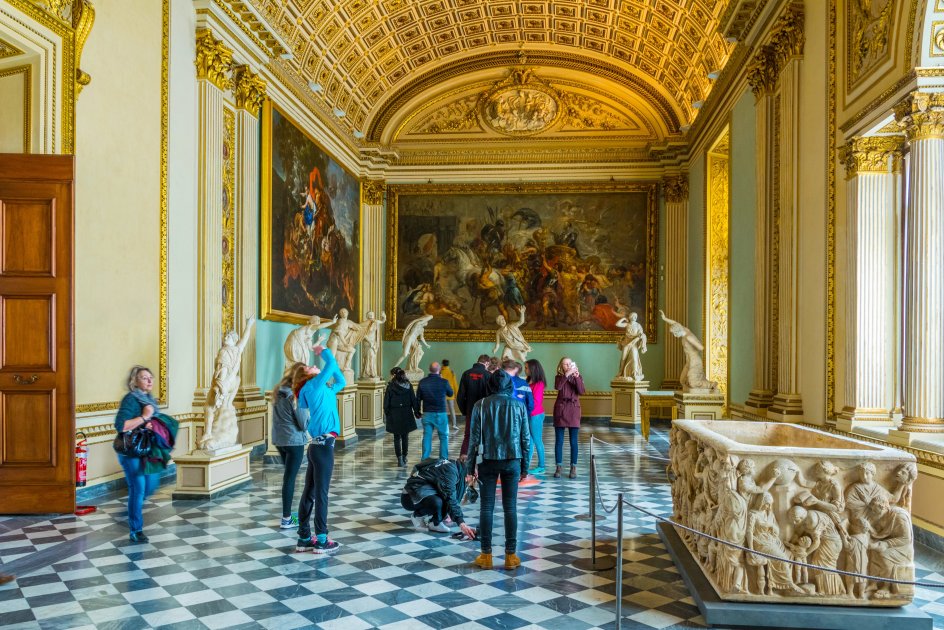
From the square, it's just five minutes and you're at the Uffizi. Today, the Uffizi is one of the most famous art museums in the world, visited by more than 2 million people a year. One of the most important museums in the world, it displays works by Botticelli, Leonardo, Raphael and Titian.

The Uffizi Gallery is not just a museum, but an "encyclopedia of art". Here you can go from ancient statues to masterpieces of the Renaissance and Baroque. Each hall is like a separate chapter of the history of world painting.

Tip: book your ticket in advance and plan for at least 1 hour - better 1.5.

History and significance

It was built in the XVI century by architect Giorgio Vasari at the request of Cosimo I Medici.

The building was originally intended as administrative offices ("uffizi" - "offices"), but over time the Medici turned it into a family art collection.

In the 18th century, the collection was given to the city and the Uffizi became one of Europe's first public museums.

What to see inside

  1. Botticelli Hall
    "The Birth of Venus" and "Spring" are symbols of the Renaissance and the gallery's most famous paintings.
  2. Italian Renaissance
    Leonardo da Vinci - "Annunciation".
    Michelangelo - "Holy Family" ("Tondo Doni").
    Raphael - portraits of the Medici.
  3. European masters
    Titian ("Venus of Urbino"), Caravaggio ("Medusa" on the shield), Rubens, Rembrandt.
  4. Corridors and architecture
    Long galleries with windows overlooking the Arno River and the Ponte Vecchio.
    The building itself is Vasari's masterpiece, with painted ceilings and elegant halls.

Practical information

  • Visiting time: minimum 1.5-2 hours. Art lovers should allow 3-4 hours.
  • Opening hours: daily from 8:15 to 18:30 (Monday - day off).
  • Tickets: from 25-30 € depending on the season; in high season advance booking online is mandatory.
  • Tips:
    Buy tickets at the official website.
    Take an audio guide or download an app so you don't get lost among the exhibits.

Alternative

Swap the Uffizi for the Galleria dell'Accademia (to see Michelangelo's original "David") - especially if you're into sculpture and history.

And if you're not into museums, walk along the Arno Riviera and through the Ponte Vecchio.

Lunch and walk (13:00-14:30) - Mercato Centrale

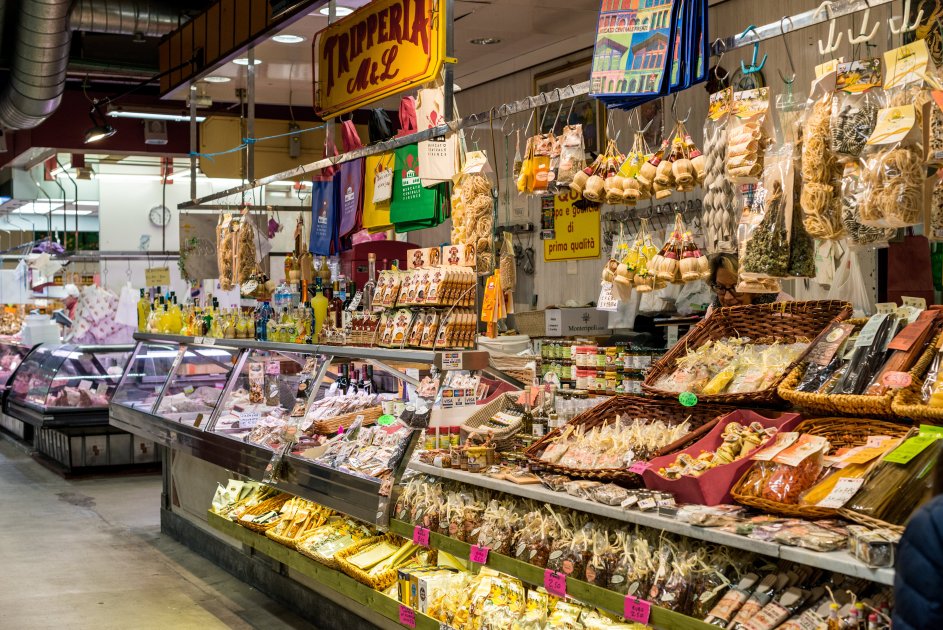
Walk down Via dei Calzaiuoli to Mercato Centrale, Florence's coziest market. Here you can eat authentic Tuscan fiorantina, panini, taste local wines, gelato.

Mercato Centrale is at the same time a market, a museum of flavors and a gastronomic showcase of Tuscany. Even if you only have one day in Florence, lunch here will provide an authentic experience and a respite between cultural sights.

History and Architecture

  • The market was built in 1874, designed by architect Giuseppe Manzoni.
  • The building is in the style of 19th century iron-and-glass architecture: large stained-glass windows, metal structures, and a light-colored interior.
  • After renovation in 2014, the market has been transformed into a two-story gastronomic space that combines tradition with a modern food court.

What to find at Mercato Centrale

The first floor is the traditional market

  • Meat stalls (including the famous bistecca alla fiorentina - Florentine steak).
  • Fish stalls with fresh catches.
  • Cheeses (pecorino toscano, parmigiano-reggiano) and sausages (finnochione, salami).
  • Vegetables, fruits, olive oil, spices, pastries.
  • A great place for souvenirs for gourmets - you can buy products "to go".

The second floor - food court and restaurants

  • More than 20 gastronomic outlets: pizza from the wood-fired oven, fresh pasta, Tuscan soups (ribollita, papa al tomadoro), seafood, desserts and gelato.
  • Bar with wine and cocktails, coffee bars with on-site roasting.
  • The atmosphere is reminiscent of a modern gastronomic center, but with a Tuscan accent.

Practical information

  • Address: Piazza del Mercato Centrale, in the San Lorenzo district (5 minutes from the Duomo).
  • Opening hours:
    First floor (food): from 7:00 to 15:00.
    Second floor (food court): from 10:00 to midnight.
  • Prices:
    Panini/street food - from 5-7 €.
    Pasta portion - 8-12 €.
    Steak Florentine (for two people) - from 40-50 €.

Afternoon (14:30-17:00) - Palazzo Pitti and Boboli Gardens

Palazzo Pitti and Boboli Gardens are a real "respite" in Florence, where after museums and strolling through narrow streets you can enjoy the space, beauty and atmosphere of the Medici.

Palazzo Pitti (Palazzo Pitti).

Inside the palace you can feel the wealth and ambition of the Medici dynasty. It's not just a museum, but an immersion into the life of the Tuscan aristocracy.

The palace was commissioned in the 15th century by banker Luca Pitti, a rival of the Medici. The building was soon taken over by the Medici, who turned it into their residence. Later, the palace was home to the Dukes of Lorraine and even the Italian King Victor Emmanuel II.

What's inside

Palazzo Pitti is an entire museum complex:

  1. Palazzo Gallery (Palatine Gallery)
    More than 500 paintings: Raphael, Titian, Caravaggio, Rubens, Veronese.
    The halls are decorated with baroque luxury - gold, frescoes, mirrors.
  2. Gallery of Modern Art
    Italian painting of XVIII-XX centuries.
  3. Museum of costume and fashion
    Clothes of different epochs, from Medici costumes to Italian fashion of the XX century.
  4. Medici Silver and Treasures Museum
    Collections of jewelry, vases and ornaments.

Subscribe to our telegram channel @tripmydream to be the first to hear travel news and promotions!

Giardino di Boboli(Boboli Gardens)

The Boboli Gardens are an oasis of silence and greenery where you can take a break from the crowds in the center of Florence. They provide the perfect contrast to the museums and palaces, giving you a view of the city from above and a sense of harmony between nature and art.

They were created in the XVI century at the request of Eleonora of Toledo, wife of Cosimo I Medici. They were designed by the architects Tribolo and Buontalenti. The gardens became a model for many European parks (including Versailles).

What to see in the gardens

  1. Amphitheater - ancient Roman style, used for performances and festivals.
  2. Neptune's Fountain - a sculpture that locals call "the pasta fork" because of the trident.
  3. Café with a View - a place to take a breather amongst the greenery.
  4. Alleys of cypresses and sculptures - a stroll like walking through an open-air museum.
  5. Panorama of Florence - the upper terraces offer one of the best views of the city and the Duomo.

Practical information

  • Recommended time: 1.5-2 hours for the palace + 1-1.5 hours for the gardens.
  • Tickets:
    Palazzo Pitti + Boboli Gardens: 22 €.
    Boboli Gardens only: about 10 €.
    You can buy themhere.
  • Opening hours:
    Palazzo Pitti: 8:15-18:30 (Monday is a day off).
    Boboli Gardens: open from 8:15 until sunset (hours vary seasonally).
  • Tip: bring water and comfortable shoes - the park is large and has climbs.

Evening (17:00-19:30) - sunset over Florence

  • Take a light windbreaker: it's cooler on the hill after sunset.
  • Lighting: golden hour → sunset → blue hour; great time for photos from warm to cold sky hues.
  • Safety: the area is touristy, but standard measures - keep your backpack in the front in a crowd, don't leave things unattended.

17:00-17:25 - transfer to Oltrarno

Where to start from: from Palazzo Pitti / exits from the Boboli Gardens.

Where to: to the foot of the hill in the San Niccolò neighborhood and then to Piazzale Michelangelo.

How to go (no fuss):

  • Go to Ponte Vecchio or Ponte alle Grazie and cross to the south bank of the Arno.
  • Make your way to Porta San Niccolò (a medieval tower by the river) - it's a convenient "entry point" to the climb.

Travel time on level ground: ~15-25 minutes walk from the center/Pitti to the start of the climb.

17:25-17:50 - climbing up to Piazzale Michelangelo

Two pleasant paths:

  1. Rampe del Poggi stairs (the most scenic option): massive cascading steps among greenery and fountains.
  2. Serpentine along Viale Michelangiolo (slightly more gentle).

The ascent takes ~15-25 minutes. The gradient in some places is palpable - comfortable shoes are a must, water will not hurt.

If you are tired, a short taxi/carshare ride will save your energy for sunset.

17:50-18:40 - Piazzale Michelangelo: a "postcard" of Florence

What's here: an all-at-once panorama of the Duomo dome, Giotto's Campanile, Palazzo Vecchio, the Arno River and the chain of bridges from the Ponte Vecchio.

How to get the best angle:

  • Stand to the left of the bronze "David" (copies) - from this edge it is more convenient to "collect" the Arno, the bridges and the historical center in the frame.
  • For a "deep" perspective shot, move to the right side of the site - the dome and towers will line up diagonally.
  • Smartphone: try a panorama; 24-35mm cameras are great.

Time here: 40-50 minutes - enjoy the golden hour, take photos, breathe in the city.

There are kiosks/food trucks on site: coffee, aperitifs, light snacks.

In summer it's crowded: come 45-60 min before sunset to get a seat at the railing.

18:40-19:10 - bonus for connoisseurs: San Miniato al Monte

From the square upwards, another 10-12 minutes and you're at the Basilica of San Miniato al Monte, a point with an even higher panorama and a peaceful atmosphere.

What to see: the austere Romanesque facade, the interior with mosaics and the crypt.
Why go up: there are fewer crowds and the horizon is wider - ideal for the last shots of the "blue twilight".

In the evenings on some days there are church services - keep quiet inside, shoulders/knees are best covered.

19:10-19:30 - descent and aperitif in Oltrarno

Descend the same way to San Niccolo and walk along the Arno back to the center or check out the Santo Spirito/San Frediano neighborhoods :

Light dinner/appetizer: bruschetta, croquettes, glass of chianti or spritz.
Gelato break: the perfect finale before an evening stroll along the waterfront.

If there's a change of plan

  • Not enough energy to climb: take a taxi/rideshare directly to Piazzale Michelangelo, walk down.
  • Cloudy/rain: replace the hill with Loggia/café by the Arno, stroll the artisanal streets of Oltrarno (workshops, antiques), check out the Basilica of Santo Spirito.
  • Love observation towers: an alternative is the Torre di Arnolfo (Palazzo Vecchio), a view from a tower in the heart of the city (tickets and climbing time required).

Practical tips

Opening hours:

  • Uffizi: 8:15-18:30, Monday is a day off (sometimes).
  • Galleria dell'Accademia: from 9, closing at 18:50.
  • Duomo+Museum: from 10, last entrance 17:00.
    Always check up-to-date on the official websites of the museum institutions.

Tickets:

  • Book online in advance - especially the Uffizi and the Accademia.
  • Duomo combo ticket: cost-effective and time-saving.

Lodging and transportation:

  • Start in the center (Duomo) - if your accommodation is close by - a good position.
  • Walking routes between points in the center: 5-15 minutes.
  • Get a map, or use Google Maps offline.

Clothing and comfort:

  • Comfortable shoes - paved streets, lots of walking.
  • Scarf or cape for church access, water, hat.

Conclusion

Florence is a city to be felt and seen with all your heart. In one day you can understand its genius, look into the heart of the Renaissance and breathe in the flavor of Tuscan life. Follow the suggested itinerary for 1 day, add your own touches, enjoy the moments. Write in the comments which itinerary you liked - and share this article on social networks!

Frequently Asked Questions

Is it possible to see Florence in 1 day?

Yes, if you plan a well-designed itinerary. In one day in Florence, you can see the Duomo, Piazza della Signoria, the Uffizi, or the Accademia, stroll along the Ponte Vecchio, and watch the sunset at Piazzale Michelangelo. This will give you a general idea of ​​the city and its atmosphere.

What is a must-see in Florence in one day?

At a minimum, the Duomo complex, Piazza della Signoria, the Uffizi Gallery or the Accademia Gallery, the Ponte Vecchio, and the city panorama from Piazzale Michelangelo. This is the quintessence of Florence's art and architecture.

How to avoid queues at museums?

The best option is to buy tickets online in advance (for example, the Il Grande Museo or Brunelleschi Pass for the Duomo, as well as tickets to the Uffizi). Morning is the quietest time to visit, especially during high season.

What to choose: Uffizi or Accademia Gallery?

The Uffizi is for art lovers (Botticelli, Leonardo, Raphael, Caravaggio). The Accademia is for those who dream of seeing Michelangelo's original "David" and a collection of sculptures. If you have time, try to visit both, but for a one-day itinerary, it's best to choose one.

How much time should I allow for the Duomo?

The Piazza del Duomo complex (cathedral, dome, baptistery, campanile, and museum) takes at least 2.5–3 hours. If you'd like to see just the cathedral and the exterior, an hour is enough.

How much does it cost to enter the main attractions?

Brunelleschi Pass (Il Grande Museo) — ~€30 (includes the entire Duomo complex). Uffizi Gallery — from €25–30. Accademia Gallery — ~€16. Palazzo Pitti + Boboli Gardens — ~€22. Many squares, streets, and views are completely free.

Where is the best place to have lunch in Florence?

The best option for this itinerary is Mercato Centrale: a wide selection of Tuscan dishes, reasonable prices, and a lively atmosphere. You can try Florentine steak, ribollita, or fresh pasta.

How to get to Piazzale Michelangelo?

Walking distance: ~25 minutes from Ponte Vecchio (up the Rampe del Poggi). By bus: routes 12 and 13. Taxi: fast and convenient if you're short on time or energy.

What to see for free in Florence?

Walking tours of the old city center (a UNESCO World Heritage Site). Exterior views of the Duomo and Baptistery. Piazza della Signoria with its sculptures. Ponte Vecchio and views of the Arno. Sunset from Piazzale Michelangelo.

What souvenir should I bring from Florence?

Популярны кожаные изделия (сумки, ремни, перчатки), украшения с Понте Веккьо, тосканские вина (Кьянти, Брунелло), оливковое масло и местные сладости (cantucci с вином Vin Santo).

Take out insurance for traveling abroad in a couple of clicks!

Tags:

Хочешь путешествовать чаще?
280 000 подписчиков уже получают наши письма с авиаскидками до -85% и путешествуют чаще. Теперь твоя очередь!
ok
или
Did you like the article?
😍
😂
😄
😐
🤔
😩
SHARE WITH FRIENDS:
No comments
tripmydream - travel service, that helps to find compare and buy best flights and rooms worldwide with the given budget. All necessary information for travelers - is right here!